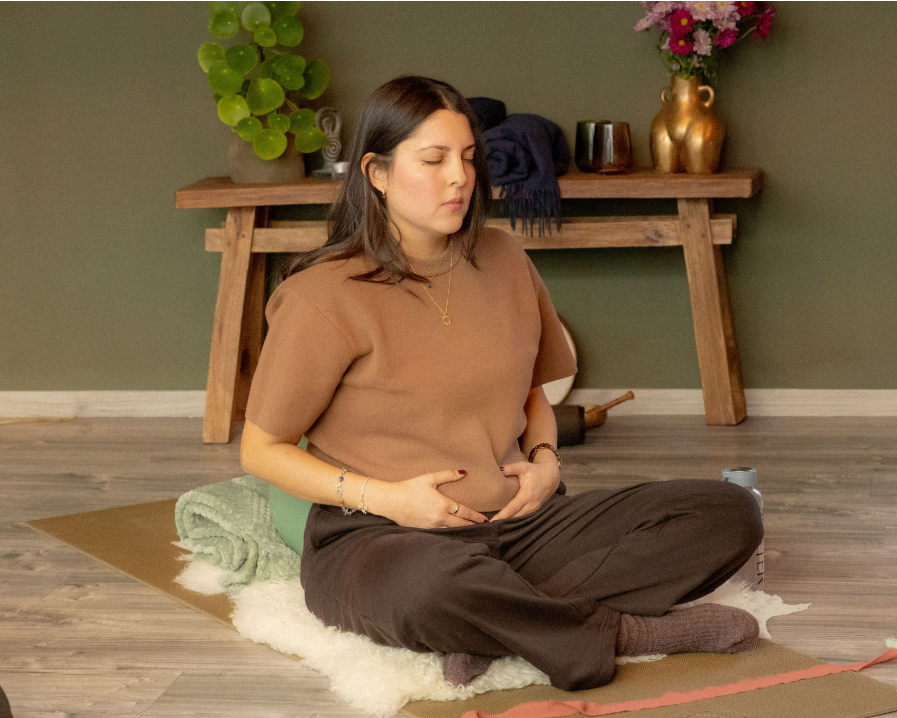
What you don't express still shows up.
In what you say and in what you don't. In what you accept and in what you let slide. In what you allow yourself and in what you don't.
What is somatic coaching?
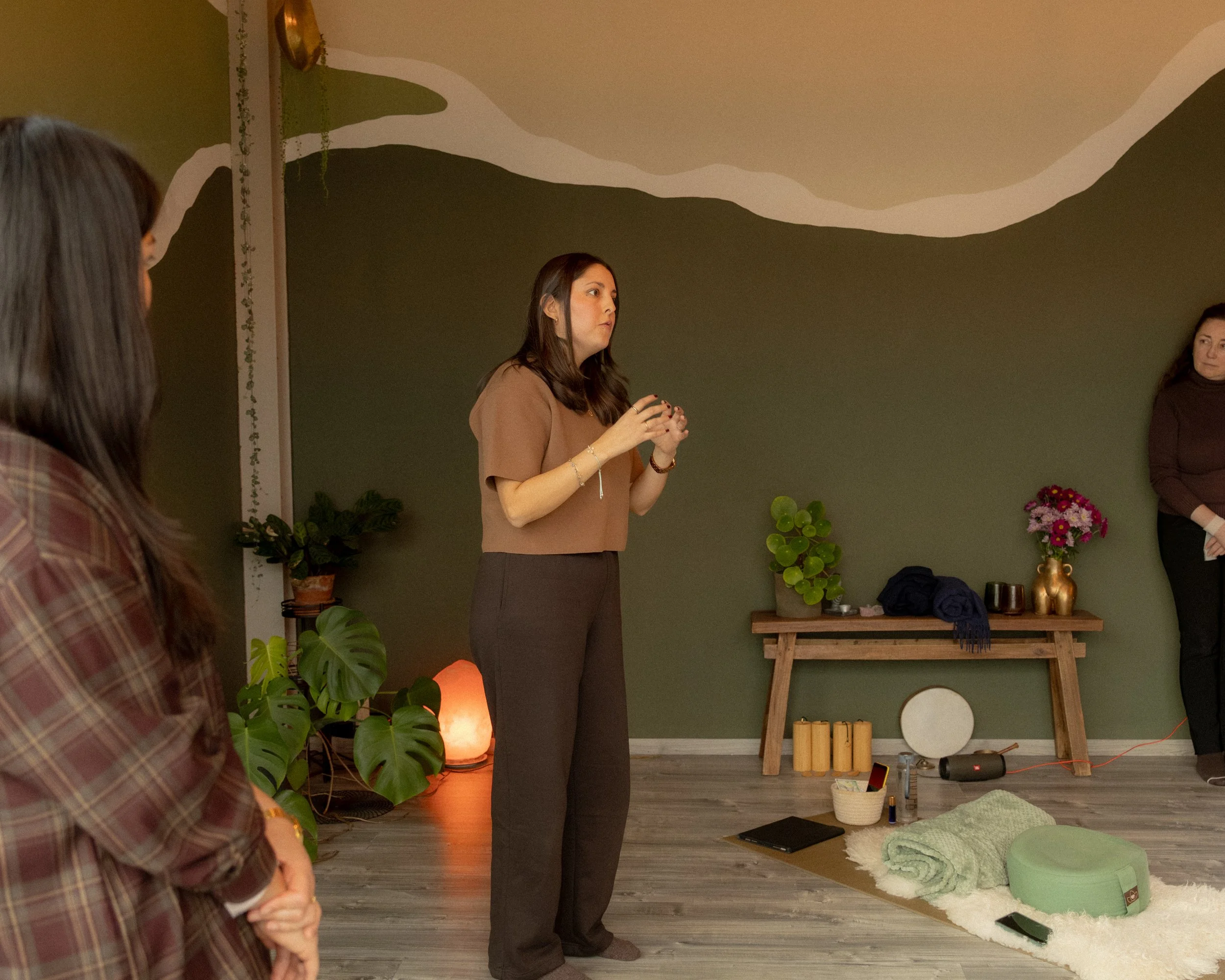
Somatic coaching is work where your body takes part alongside the conversation.
We start from a specific situation in your life, notice what your body does as you get close to it — the breath that shortens, the voice that drops, the impulse that stops halfway — and work there, with practice, until a different response becomes available.
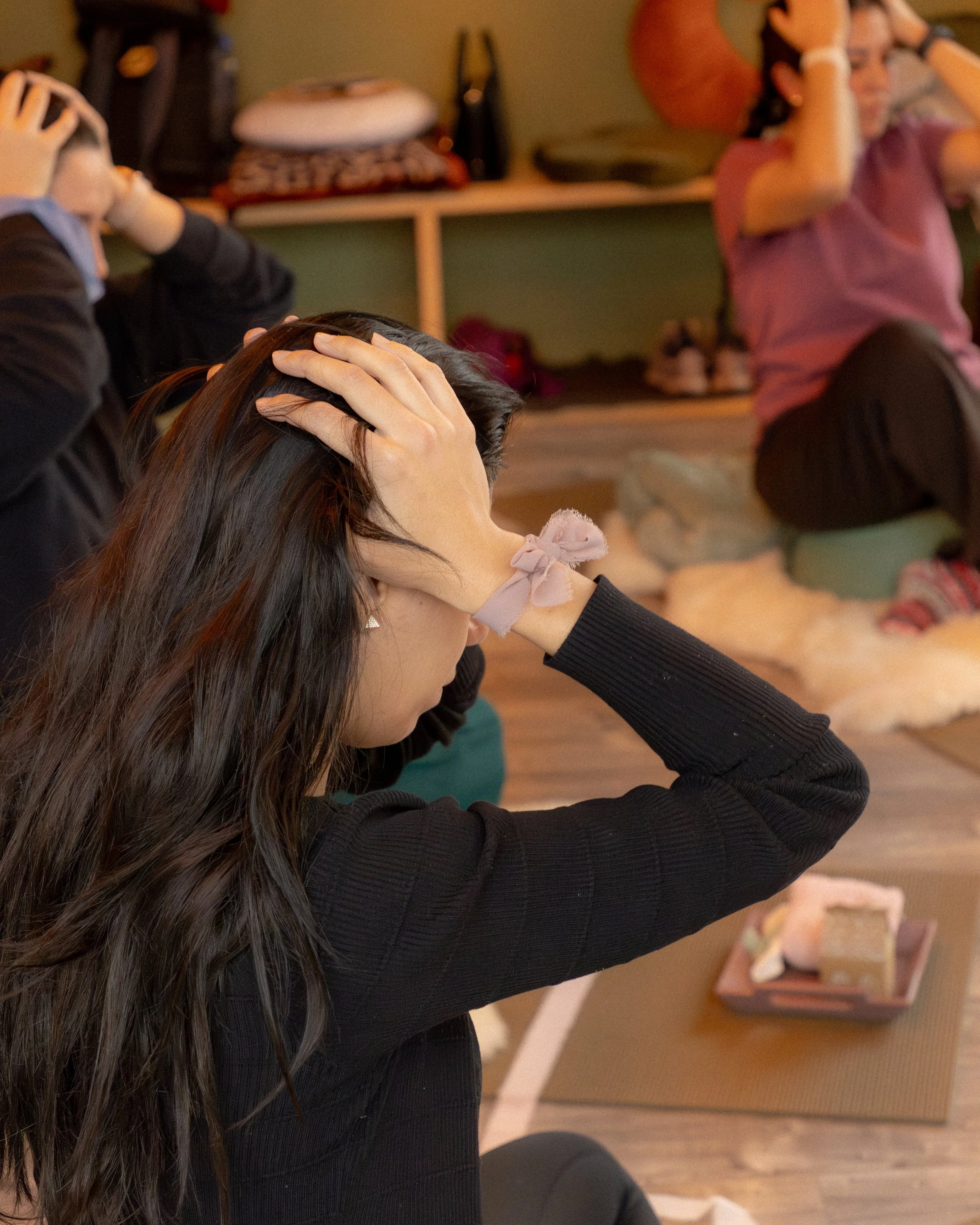
Most of the women I work with arrive wanting the anxiety, the anger, or the critical voice to go away.
That's not what we do. Anger, frustration, sadness, even anxiety in doses that don't overwhelm, are natural responses and part of being alive.
There are two parts to what we do.
The first is to help you feel comfortable with discomfort.
That could be the uncertainty that’s paralyzing you today, and it could also be the joy of simply enjoying something pleasant without keeping track of how much you’ve earned it.
The second is to act on the impulses that accompany an emotion, especially those that have been bottled up for years.
An unexpressed impulse finds another outlet: an over-the-top reaction to something trivial, a drink, mindless scrolling, or a sugar fix at 9 p.m. All of that provides temporary relief, and we both know that its effect lasts only until the next day. The impulse is still there.
In a session, we don’t try to make the feeling go away. We let it be, give it more room to breathe, and give it a voice and space.
That's what has made the women who have worked with me feel the most free.
How do we get close to body sensations and emotions
Your body doesn't respond the same way as someone else's, and it doesn't need the same starting point either.
I'll work with you to figure out which door makes sense to open first, and from there we'll build the process.
DOOR 01
From inside
We start with what’s happening inside you: a sensation, an emotion, your breath, tension, pressure, heat, or even a part of your body that feels disconnected.
For some women, this is a natural path. For others, looking inward at first is too intense, and forcing it only creates more tension—that’s why the other two paths exist.
In a session, it might look like this: you notice that when you talk about that unresolved conversation, your chest feels tight or heavy. We start by exploring that sensation; it will guide us to the emotion and story that linger there.
DOOR 02
From movement
We start with what you do: your posture, your gaze, your voice volume, the way you occupy space. We change something small and observe what stirs inside.
This approach is especially helpful for women who think quickly but feel slowly: movement reaches places where introspection cannot.
In a session, it might look like this: You practice walking through the space with confidence, but as you do so, you notice your body’s tendency to want to make itself smaller. That limit is precise information about how much space you’re allowed to occupy today.
DOOR 03
From outside
We begin with our surroundings: the light, the sounds, the distances, the objects around us. The body first finds its safety in space, and when the inner world becomes overwhelming, the outer world provides a steady place from which to observe.
This is the least known door—and often the gentlest one from which to begin.
In a session, it might look like this: before approaching the difficult situation, you find a point in the room that gives you stability. You’re always allowed to return to it. Knowing that you can return is what makes it possible to approach the situation.
No one approach is better than another, and throughout the process we tend to use all three. What matters is starting where your body and mind are capable of today, not where a method says you should start.
Why having someone there to support you is so important
Your nervous system learned to regulate itself in the presence of other nervous systems, and it continues to function that way. When someone remains calm while you’re feeling anxious or stressed, your body has a reference point to guide it, and it perceives this unconsciously.
That’s why, during a session, one of the ways I work is by doing the exercises with you—not just guiding you through them. If we’re working with breathing, I breathe with you; if we’re working with the voice, my voice is there too.
That’s what makes it possible for you to approach something that feels too intense on your own.
On your own, you have to generate calm and notice it at the same time—which is a lot to ask of a body that’s already busy defending itself.
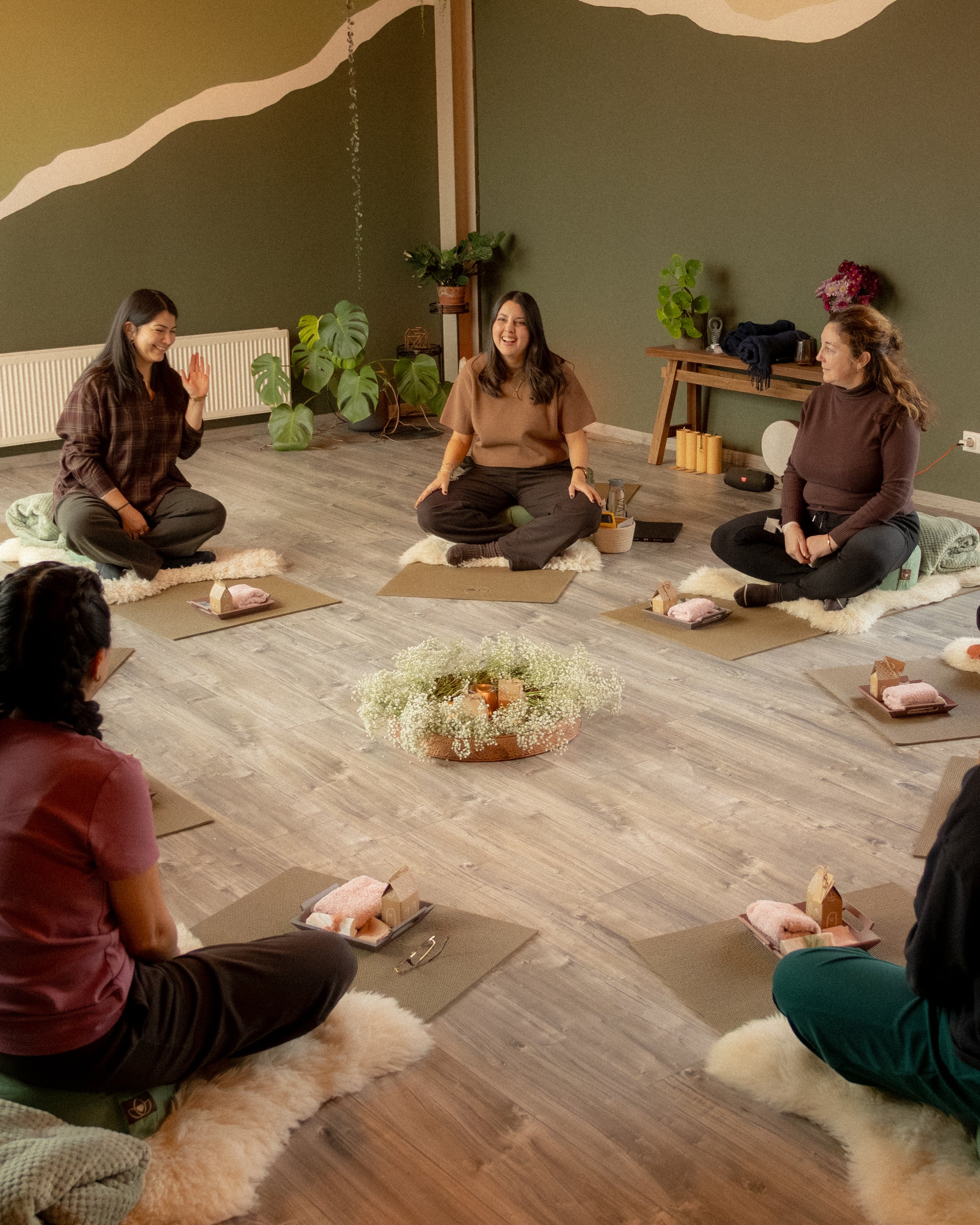
What's changing, and how will you know
What grows over the course of the process is how long you can stay in an uncomfortable situation without feeling the need to run away.
That sounds abstract, but you can see it in very concrete ways:
You start to feel your body as a safe and resourced space to inhabit
You say “no” without rehearsing it forty times first
You can sit there enjoying the moment without worrying about what to do next
Your inner world stops feeling like a place you want to run away from all the time
Someone says something that bothers you, and you call them out on it right then and there instead of bottling it up and exploding the following week
The greater your emotional range, the easier situations become for you, and the more possibilities open up in your life.
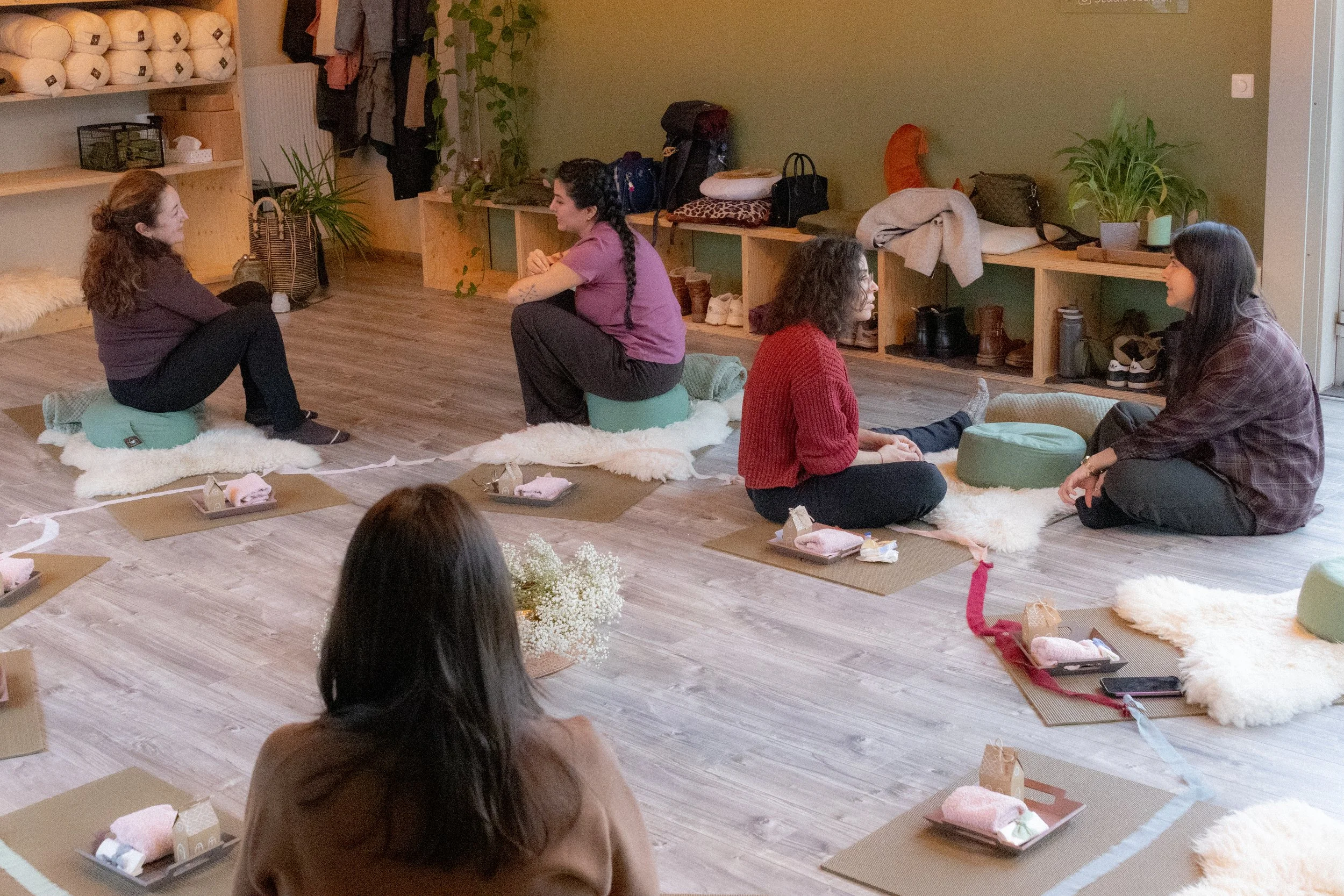
Who is this work for
There is a new generation of women:
Who says yes to things that a year ago would have seemed too much for her.
Who puts herself out there even if not everyone likes her.
Who spends an afternoon or an entire week without producing anything, secure in the knowledge that she owes no one an explanation.
Who, before making a decision, asks herself what she wants—not what’s expected of her.
Who stopped treating her body as a project for improvement and now listens to it before making a decision.
If that’s the woman you see when you imagine yourself two years from now, but today:
You let an opportunity that excites you slip away because you don’t feel ready
You check a message three times before sending it
You pack your Sunday with activities because you can’t relax without feeling guilty
You say yes to things you didn’t want to do just so you wouldn’t make anyone uncomfortable
And you realize what your body had been warning you about only after it turned into chronic pain…
The distance between the two is shorter than it feels….